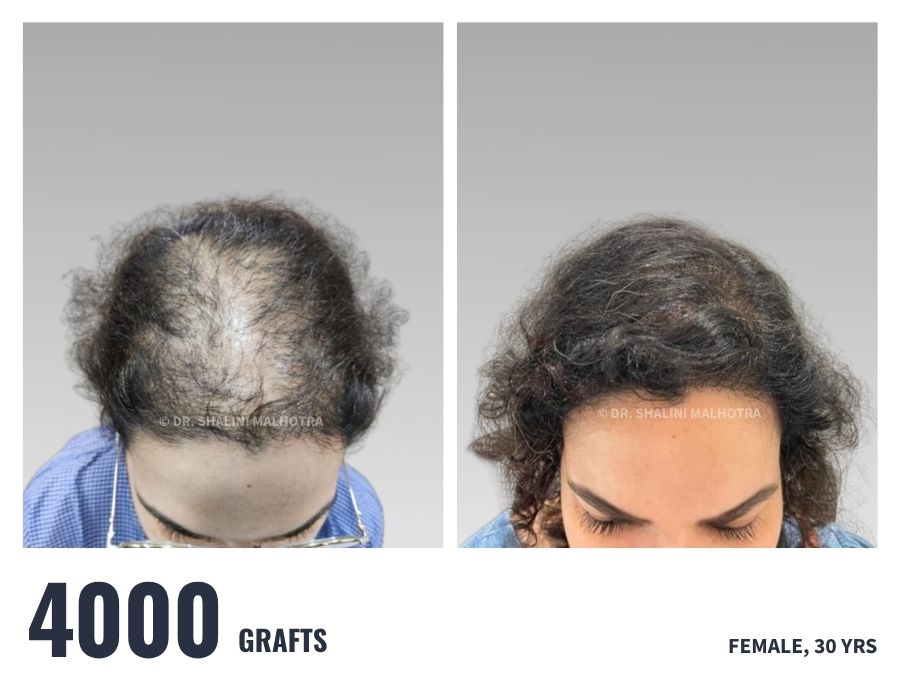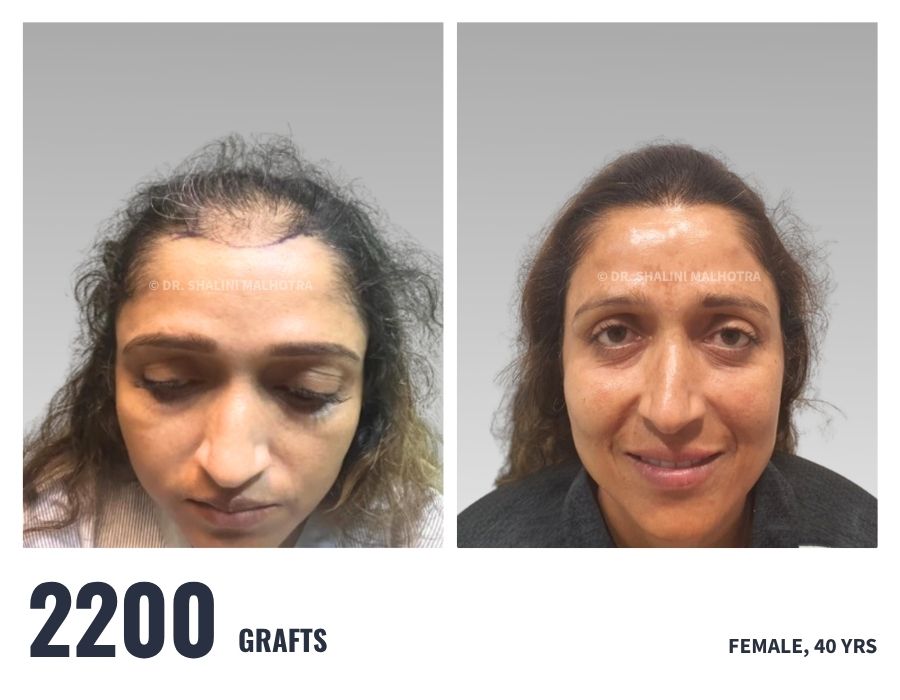
Hair Transplant for Women in Delhi, Gurgaon & Dwarka
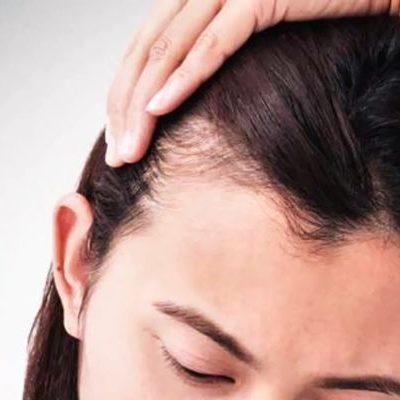
Hair loss in women can have several causes and may affect the hairline, parting or overall hair density. Depending on the cause and pattern of hair loss, a hair transplant may be an option for some women.
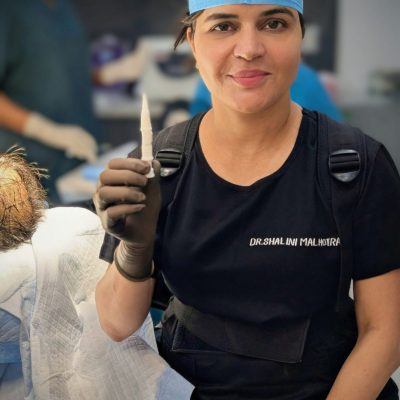
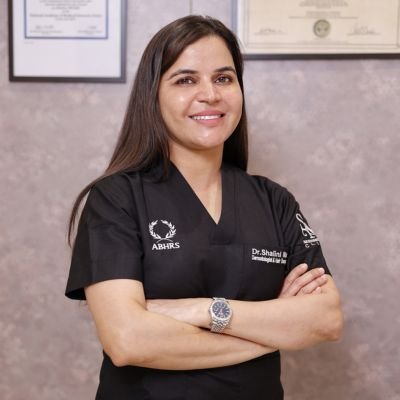
Dr. Shalini Malhotra, an ABHRS-Diplomate hair transplant surgeon, specialises in surgeon-led hair restoration using her signature Advanced FUE technique with precision implanters. She personally performs the implantation of every graft, with careful attention to natural-looking results and the preservation of existing hair.
For women concerned about visible changes during recovery, an unshaven hair transplant may also be an option, depending on their pattern of hair loss and suitability for the procedure.
What does hair loss look like in women?
Hair loss in women can appear as a widening part, thinning across the crown, reduced overall hair density or recession around the temples. Unlike the typical male pattern, female pattern hair loss often affects the top of the scalp while the frontal hairline remains relatively preserved.
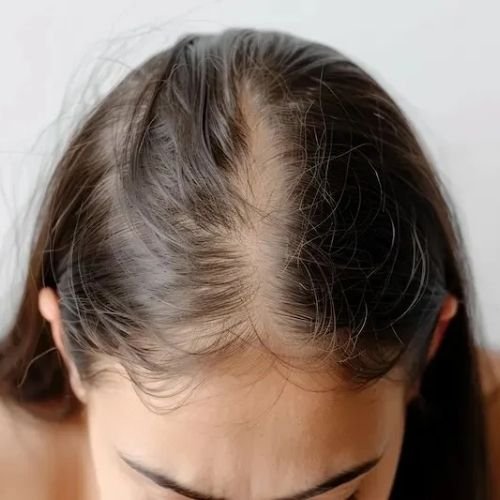
Widening part
The central part gradually becomes wider, making more of the scalp visible.
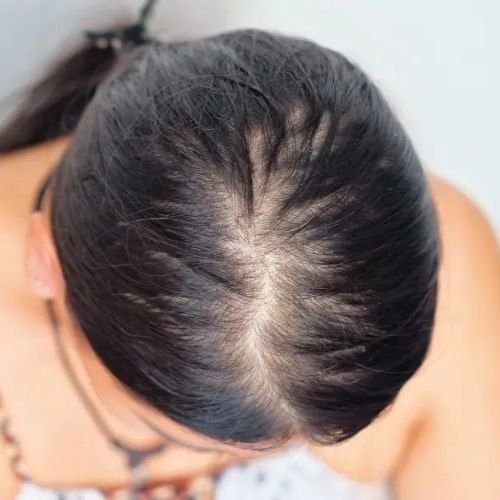
Thinning across crown
Hair density decreases over the top and crown of the scalp, while the frontal hairline may remain relatively preserved.
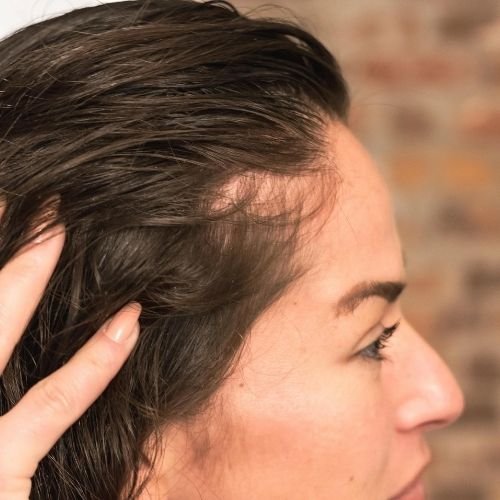
Temple recession
Hair becomes thinner around the temples, creating a more recessed or less dense appearance at the sides of the hairline.
What causes hair loss in women?
Hair loss in women can have several causes, and identifying the underlying reason helps determine the most appropriate treatment.
-
Female pattern hair loss
A hereditary condition that causes gradual thinning, often around the parting and crown.
-
Hormonal changes
Hair shedding may increase after childbirth, while conditions such as PCOS can contribute to pattern thinning. Menopause may also be associated with progressive hair thinning.
-
Stress or illness
Significant stress, illness or surgery can trigger increased shedding, known as telogen effluvium.
-
Nutritional deficiencies
Low iron levels, inadequate protein intake and certain other nutritional deficiencies may contribute to hair loss.
-
Thyroid disorders & other medical conditions
These can disrupt normal hair growth and contribute to thinning or shedding. In such cases, treating the underlying condition may help improve hair growth or reduce further hair loss.
-
Traction alopecia
Repeated tension from tight hairstyles can damage hair follicles, particularly around the hairline and temples.
Different causes require different approaches. Some forms of hair loss may improve with medical treatment or by addressing an underlying trigger, while others may result in persistent hair loss that could be considered for transplantation.
Is hair transplant suitable for women?
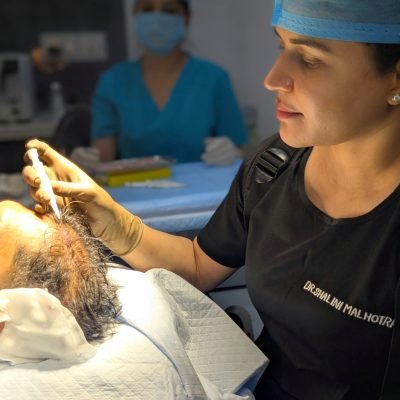
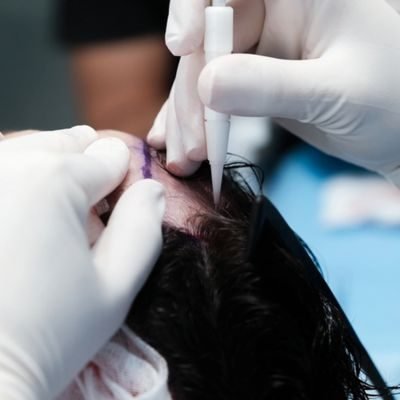
How is hair transplant for women different?
Hair transplantation in women requires careful assessment because the pattern of hair loss, the availability of donor hair and the need to preserve existing hair can differ from typical male-pattern baldness.
Hair-loss pattern: Women may experience thinning across the top of the scalp rather than clearly defined bald areas. The cause and progression of this thinning need to be assessed before surgery.
Donor hair and existing density: The surgeon must evaluate whether the donor area has enough suitable hair and whether grafts can be placed without compromising existing follicles.
Treatment planning: Hairline design, graft placement and the direction of growth must be planned around the patient’s existing hair and facial features to achieve a natural-looking result.
For suitable candidates, an unshaven hair transplant may also be an option, depending on the pattern of hair loss and the procedure required.
Dr. Shalini’s Advanced FUE™ hair transplant for women
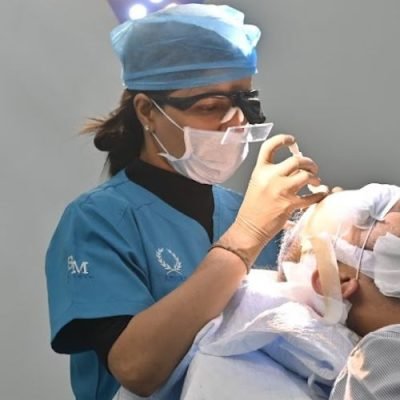
Dr. Shalini’s Advanced FUE™ uses precision implanters for graft placement, with Dr. Shalini personally performing the implantation of every graft. This surgeon-led approach allows careful control over the angle, direction and placement of each graft.
For women, where thinning may occur around existing hair, careful planning and graft placement are particularly important. The procedure is planned around the patient’s hair-loss pattern, donor hair availability and existing density to achieve natural-looking results while taking care to preserve surrounding hair.
The technique is tailored to each patient’s needs, following an assessment to determine whether hair transplantation is appropriate.
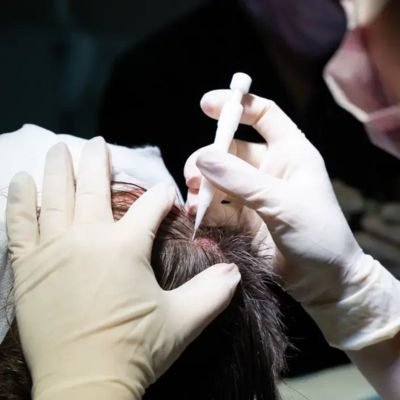
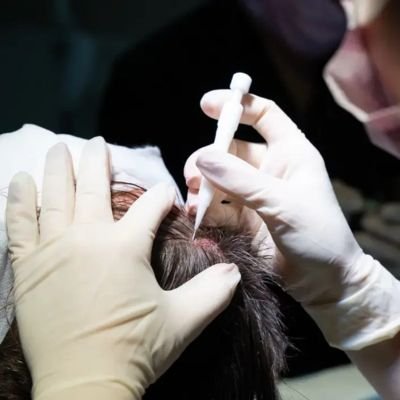
Unshaven Hair Transplant for Women
An unshaven hair transplant allows suitable patients to undergo hair restoration without shaving all their existing hair. This can be particularly appealing to women who prefer to keep their hair length and minimise visible changes to their appearance during recovery.
The procedure involves extracting and implanting hair follicles while preserving the surrounding hair. Depending on the patient’s needs, it may offer several practical advantages:
-
No need to shave all the hair: Existing hair can help conceal the treated areas during recovery.
-
Less noticeable change in appearance: Keeping the hair longer may help patients feel more comfortable returning to their usual routines.
-
Individualised treatment planning: The approach is tailored to the pattern of hair loss, donor hair availability and number of grafts required.
What results can women expect from a hair transplant?
The aim of a hair transplant is to restore hair in areas of thinning or hair loss while achieving natural-looking density that complements the patient's existing hair.
New hair growth is gradual. Transplanted hair typically sheds in the initial weeks before new growth begins over the following months. Visible improvement develops progressively, with results generally assessed over 9–12 months, although the timeline can vary.
It is also important to understand that a hair transplant does not prevent existing, non-transplanted hair from continuing to thin. The final density and coverage depend on factors such as donor hair availability, the extent of hair loss and the individual's response to treatment.
Hair transplant for women: Recovery and aftercare
Recovery after a hair transplant is gradual, and following the surgeon’s aftercare instructions helps protect the transplanted grafts as the scalp heals.
- The first few days: Mild redness, swelling, tenderness or small scabs around the treated areas may occur.
- Washing your hair: Follow the surgeon’s instructions on when and how to wash your hair to avoid disturbing the newly implanted grafts.
- Returning to normal activities: Everyday activities can often be resumed relatively soon, but strenuous exercise and activities that may affect the scalp should be avoided for the period advised by your surgeon.
- Shedding and regrowth: Transplanted hairs commonly shed during the initial weeks. New growth develops gradually over the following months.
Recovery varies from person to person. Following the recommended aftercare routine and attending follow-up appointments helps monitor healing and progress.
Hair transplant cost for women
A hair transplant for women typically costs around ₹100–₹150 per graft, although the total cost varies depending on the number of grafts required and the complexity of the procedure.
Factors that influence the cost include:
- Number of grafts required: The area to be treated and the coverage needed determine how many grafts may be required.
- Pattern and extent of hair loss: The treatment plan depends on the areas affected and the desired improvement in hair coverage.
- Technique used: The recommended approach, including whether an unshaven hair transplant is suitable, may affect the procedure and its cost.
Why choose Dr. Shalini Malhotra for a hair transplant?
Choosing a hair transplant surgeon is particularly important for women, where preserving existing hair, achieving natural-looking density and minimising visible changes during recovery may be key considerations.
Dr. Shalini Malhotra is an ABHRS-Diplomate hair transplant surgeon who specialises in hair restoration for men and women. Her approach combines careful treatment planning with surgeon-led graft implantation, with particular attention to the details that influence the final appearance.
With clinics in Delhi and Gurgaon, Dr. Shalini offers women access to specialist hair restoration with an approach focused on thoughtful planning, precise graft placement and natural-looking outcomes.
- Specialist expertise in hair restoration: As an ABHRS-Diplomate surgeon, Dr. Shalini has specialist credentials in hair transplantation and hair restoration.
- Natural-looking results: Hairline design, graft angle, direction and placement are carefully considered to create results that complement the patient's facial features and existing hair.
- Surgeon-led graft implantation: Dr. Shalini personally implants every graft using precision implanters as part of her signature Dr. Shalini’s Advanced FUE™ technique.
- Unshaven hair transplant options: For suitable women who prefer to keep their hair long and minimise visible changes during recovery, an unshaven procedure may be an option.
- A careful, individualised approach: Dr. Shalini plans each procedure around existing hair, hair-loss patterns and donor hair availability, while preserving surrounding follicles and aiming for natural-looking density.
- Experience with complex cases: Dr. Shalini’s extensive experience in hair restoration equips her to manage a wide range of cases, including complex hair loss patterns and challenging donor hair limitations.
FAQs – Hair Transplant for Women
Can women get a hair transplant?
Yes, women can undergo hair transplantation if they have a suitable pattern of hair loss and sufficient healthy donor hair. However, not all types of female hair loss are suitable for surgery. The cause of hair loss, existing hair density and likelihood of further thinning need to be considered before recommending a transplant.
Can women get a hair transplant without shaving their head?
Yes. An unshaven hair transplant may be possible for suitable women who want to retain their existing hair length and minimise visible changes during recovery. Suitability depends on the pattern of hair loss, donor hair availability and the number of grafts required.
Is hair transplant safe for women?
Hair transplantation is generally considered safe when performed by a qualified, experienced surgeon on a suitable candidate. As with any surgical procedure, it carries potential risks, including infection, bleeding, scarring and temporary swelling or discomfort. A thorough assessment helps determine suitability, identify potential risks and plan the procedure appropriately.
Is hair transplant a good option for women with female pattern hair loss?
It can be suitable for some women with female pattern hair loss, particularly when thinning affects specific areas and the donor hair is adequate. Women with widespread thinning or ongoing hair loss may need medical treatment or further evaluation before surgery is considered.
Does a hair transplant work for women with a receding hairline?
Yes. A hair transplant is highly effective for restoring a receding female hairline caused by genetics, traction alopecia, or scarring. Because female hairlines require a softer, more natural transition zone, our clinic uses specialized Advanced FUE by Dr. Shalini Malhotra™. This involves placing individual single-hair follicles at the very front to mirror your natural hair flow, ensuring dense, discreet, and permanent results without damaging existing hair.
How much does a hair transplant for women cost?
A hair transplant for women typically costs around ₹100–₹150 per graft. The total cost depends on the number of grafts required, the extent of hair loss and the complexity of the procedure.
How long does it take to see results after a hair transplant?
Transplanted hairs commonly shed during the first few weeks after surgery. New growth typically begins over the following months, with visible improvement developing gradually. Results are generally assessed over 9–12 months, although the timeline varies between individuals.
Are hair transplant results permanent in women?
Transplanted hair can provide long-lasting results, as the follicles are usually taken from areas resistant to pattern hair loss. However, existing, non-transplanted hair may continue to thin over time. Ongoing hair-loss management may therefore be recommended.
Can a hair transplant increase hair density in women with thinning hair?
A hair transplant can improve coverage in selected areas, but it cannot always restore the density of naturally thick hair. The achievable improvement depends on the existing hair, donor hair availability and the number of grafts that can be safely transplanted.
Who is the best hair transplant surgeon for women in Delhi?
When choosing a hair transplant surgeon, look for specialist qualifications, experience with female hair loss, a record of natural-looking results and a clear understanding of how to preserve existing hair. Dr. Shalini Malhotra is an ABHRS-Diplomate hair transplant surgeon who offers hair restoration for women in Delhi and Gurgaon, including unshaven procedures for suitable candidates.
Take the First Step Towards Hair Restoration
Consult us for hair transplant for women in Delhi, Gurgaon & Dwarka.