
Hair transplant for women: what are the options?
Hair thinning in women is far more common than most people realise, yet many hesitate to seek advice because they assume hair transplants are only meant for men. In reality, women experience hair loss differently, and treatment requires a more careful and individualised approach. Understanding the available options is often the first step toward choosing the right solution.
Why female hair thinning is different
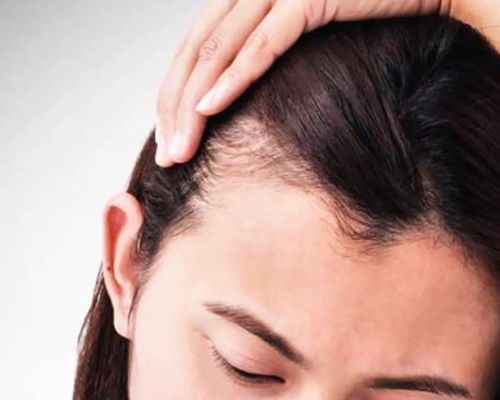
Unlike male pattern baldness, women usually notice gradual thinning rather than clearly defined bald patches. The parting may widen, overall volume may reduce, or the hairline may slowly lose density. Because existing hair is often still present, treatment planning focuses not only on restoring lost hair but also on preserving what remains.
This is why female hair thinning treatment often begins with diagnosis rather than immediate procedures.
Common causes of hair thinning in women
Hair loss in women can have multiple contributing factors, including:
- genetic predisposition
- hormonal changes, including thyroid or menopause-related shifts
- stress and nutritional deficiencies
- medical conditions or post-pregnancy shedding
Identifying the underlying cause helps determine whether medical treatment, procedural intervention, or a combination approach is most appropriate.
Non-surgical female hair thinning treatments
For many patients, early treatment does not involve surgery. Depending on the diagnosis, options may include:
- medical therapy to stabilise hair loss
- PRP, GFC, or regenerative treatments aimed at improving hair quality
- scalp and nutritional support where needed
These approaches aim to slow progression and strengthen existing hair. A responsible consultation usually explores these methods before considering transplantation.
When hair transplant becomes an option for women
A hair transplant for women may be recommended when thinning is stable and there is a healthy donor area that can safely provide grafts. Suitable candidates often include women with:
- thinning concentrated along the hairline or temples
- traction-related hair loss
- scars or areas where hair no longer regrows naturally
The goal is not dramatic change, but subtle restoration that blends with existing hair.
How women’s hair transplant planning differs
Designing a transplant for women requires a more conservative and detailed approach than in many male procedures. Surgeons must work around existing hair, avoid shock loss, and maintain natural density patterns.
Hairline design is typically softer and less aggressive, focusing on refinement. Careful placement helps ensure results remain undetectable even when hair is worn open or parted differently.
What results and recovery usually look like
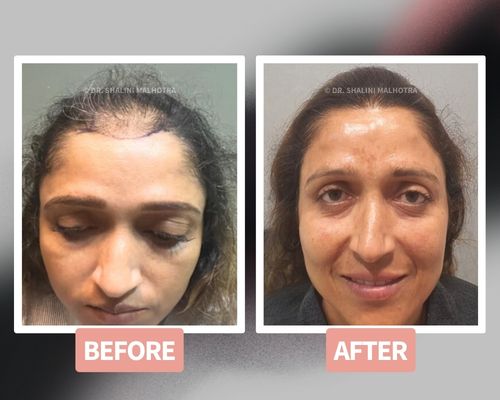
Growth after a hair transplant happens gradually. Transplanted hair typically sheds in the first few weeks before new growth begins over several months. Most patients notice visible improvement between six and twelve months.
Because planning prioritises natural blending, results tend to look subtle rather than immediately obvious – which is often exactly what female patients want.
A personalised approach matters most
Female hair loss rarely follows a single pattern, which is why treatment should not follow a standard formula. The best outcomes come from careful evaluation, honest discussion of options, and choosing a plan that balances medical treatment with surgical solutions when appropriate.
At SM Hair Restoration & Aesthetics Clinic, Dr. Shalini Malhotra approaches female hair thinning with this individualised philosophy, first understanding the cause and progression of hair loss before recommending whether medical management, regenerative treatments, or a hair transplant is truly suitable.
For many women, simply understanding that effective and natural-looking solutions exist can be the most reassuring first step.