
Hair transplant recovery timeline: what to expect after surgery
One of the most common questions patients ask before a hair transplant is how long recovery will take, and when they can return to work, travel, or social activities. The good news is that modern hair transplant techniques such as Advanced FUE involve minimal downtime and a relatively comfortable recovery process when performed correctly.
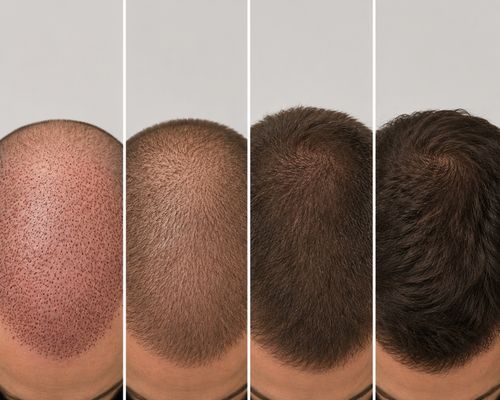
At SM Hair Restoration & Aesthetics Clinic, recovery planning is considered an important part of the overall treatment experience. Modern implanter-based FUE techniques allow for precise graft placement, minimal visible scarring, and more discreet healing compared to older methods.
What should you expect immediately after a hair transplant?
Hair transplant is typically performed under local anaesthesia as an outpatient procedure. Most patients are able to go home the same day.
Mild redness, swelling, or sensitivity in the treated area is normal during the first few days. Small scabs may form around the grafts as healing begins, but these usually improve gradually within a week.
Most patients describe the recovery as manageable rather than painful.
When can you return to work or travel?
Many patients are able to resume routine desk work, meetings, or travel within a few days, depending on the extent of the procedure and the nature of their work.
For patients concerned about visible signs of recovery, unshaven hair transplant techniques may help make the healing process more discreet.
Activities involving heavy sweating, intense exercise, or direct sun exposure are usually avoided for a short period during early healing.
Why does shedding happen after a hair transplant?
It is normal for transplanted hairs to shed during the first few weeks after the procedure. This temporary shedding is a natural part of the hair growth cycle and does not mean the grafts have failed.
New hair growth usually begins gradually over the following months.
When will final results become visible?
Hair transplant results develop progressively over time. Most patients begin noticing visible growth within a few months, while fuller results continue improving over 9–12 months.
The goal is not just regrowth, but creating natural density and hairlines that blend seamlessly with existing hair.
Recovery depends on technique and surgical planning
A smoother recovery is often linked to careful graft handling, precise implantation, and surgeon-led execution.
Dr. Shalini Malhotra personally performs every hair transplant procedure herself, focusing on natural-looking results, careful healing, and long-term hair restoration planning.
If you are considering a hair transplant in Delhi or Gurgaon and want to better understand the recovery process, schedule a consultation with Dr. Shalini Malhotra.