
Female pattern hair loss: Early signs, causes and treatment options
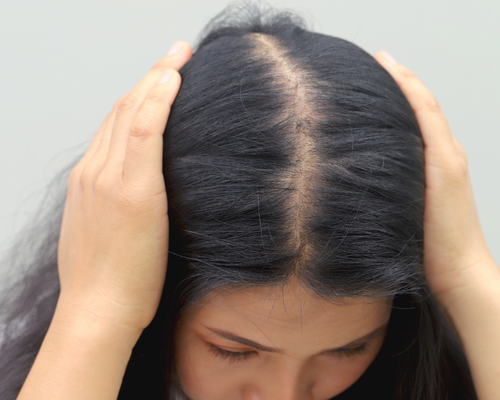
Female pattern hair loss is a common cause of gradual hair thinning in women. It often begins with a widening part or reduced hair density over the crown and may become more noticeable over time. Because the changes can be gradual, many women may not recognise the early signs or realise that effective treatment options are available.
The right approach starts with understanding the pattern of hair loss, identifying other possible causes and choosing treatment based on the individual’s needs. Early evaluation can help women understand what is happening to their hair and take appropriate steps to manage it.
What is female pattern hair loss?
Female pattern hair loss (FPHL), also known as female pattern baldness, is a progressive form of hair loss that causes hair to become thinner over time. It is associated with genetic factors and changes in the hair follicles that gradually produce finer, shorter hairs.
Unlike typical male pattern hair loss, which often causes a receding hairline or bald patches, female pattern hair loss usually affects the top of the scalp. The frontal hairline is often relatively preserved, although some women experience thinning around the temples as well.
FPHL can develop at different ages, but it becomes more common in midlife and after menopause. It can also begin earlier, so persistent thinning in younger women should not be dismissed.
What are the early signs of female pattern hair loss?
The changes can be subtle at first. Look out for these common signs:
- A widening parting: More of the scalp becomes visible along the central part.
- Reduced hair density at the crown: The hair over the top of the scalp appears thinner than before.
- A thinner ponytail: Your ponytail may feel smaller as individual hairs become finer or overall density decreases.
- More visible scalp: The scalp may show through more clearly under bright lighting or when the hair is styled.
- Gradual thinning over time: Hair may lose volume progressively, even without sudden or heavy shedding.
These signs can also occur with other forms of hair loss. A widening part or thinner ponytail alone cannot confirm female pattern hair loss, so a proper assessment is important.
What causes female pattern hair loss?
Genetics plays a major role in female pattern hair loss. The condition can run in families, and the relevant genes may be inherited from either parent or both.
Hormones may also influence hair growth, particularly around menopause. However, female pattern hair loss does not necessarily mean that a woman has abnormal hormone levels. Many women with the condition have normal circulating androgen levels.
Other conditions can cause or contribute to hair thinning, including thyroid disorders, nutritional deficiencies and temporary shedding after illness or childbirth. These are not the same as female pattern hair loss, although more than one cause can occur at the same time.
This distinction matters because the treatment that helps one type of hair loss may not be appropriate for another.
How is female pattern hair loss diagnosed?
A dermatologist or hair restoration specialist can assess the pattern of thinning, examine the scalp and review your medical and family history. The assessment helps distinguish female pattern hair loss from conditions that cause temporary shedding or other forms of hair loss.
Depending on the findings, investigations may include blood tests to check for iron deficiency, thyroid problems or other suspected medical causes. Hormone testing may be considered if there are additional signs of a hormonal disorder, such as irregular periods, persistent acne or increased facial hair. Not every woman needs the same tests.
An accurate diagnosis is important before starting treatment. It helps avoid spending time on products or procedures that may not address the underlying cause.
What are the treatment options for female pattern hair loss?
Treatment depends on the extent of thinning, the underlying cause, medical history and individual preferences. The aim is usually to slow further hair loss, maintain existing density and encourage regrowth where possible. Results vary, and no single treatment works for everyone.
1. Minoxidil
Topical minoxidil is a commonly recommended treatment for female pattern hair loss. It can help slow hair loss and improve hair growth in some women.
It takes time to assess its effect, often around six to twelve months. Continued use is generally necessary to maintain the benefits. Some women experience temporary increased shedding when they first start using it, as well as scalp irritation or unwanted facial hair growth.
A doctor can advise on the appropriate formulation and use, particularly if you are pregnant, planning a pregnancy or breastfeeding.
2. Prescription medications
Depending on the individual’s circumstances, a dermatologist may consider prescription treatments such as spironolactone or other medications. These are not suitable for everyone and require medical supervision.
Some hair-loss medications carry important pregnancy-related risks. They should not be started without discussing potential side effects, other medications and pregnancy plans with a qualified doctor.
3. Addressing nutritional deficiencies or other medical causes
If investigations identify an iron deficiency, thyroid disorder or another underlying problem, treating it may help reduce hair loss associated with that condition. Supplements are most useful when a deficiency has been identified; taking them without a demonstrated need is not a reliable treatment for female pattern hair loss.
4. Supportive treatments
Low-level laser devices and platelet-rich plasma (PRP) are also used or explored for hair loss. However, the strength of evidence differs between treatments, and the likely benefit, cost and need for repeat sessions should be discussed before proceeding. These options should not be presented as guaranteed solutions.
Can a hair transplant treat female pattern hair loss?
A hair transplant may be an option for selected women with female pattern hair loss, but it is not suitable for everyone.
The procedure moves hair follicles from a donor area to areas where additional coverage is needed. It may be considered when thinning affects specific areas and the donor hair is sufficiently dense and healthy.
Women with diffuse thinning across the scalp may have limited donor hair available. It is also important to consider whether existing, non-transplanted hair is likely to continue thinning, as a transplant does not prevent further hair loss elsewhere.
A specialist assessment can help determine whether transplantation is appropriate or whether medical treatment is a better starting point. Read more about hair transplant for women and the factors that influence suitability.
When should you seek help for hair thinning?
Consider seeing a doctor or dermatologist if you notice a gradually widening part, reduced hair density or persistent thinning. Seek an earlier assessment if the hair loss is sudden, patchy, associated with scalp pain or inflammation, or accompanied by other new symptoms.
Early evaluation can help identify the cause and clarify which treatments may be useful. Although female pattern hair loss is often progressive, treatment can help many women manage it and preserve hair density.
Frequently asked questions
Is female pattern hair loss reversible?
Female pattern hair loss is usually a progressive condition, but treatment may slow further thinning and improve hair density in some women. The degree of improvement varies. Early treatment may help preserve existing hair, and ongoing treatment is often needed to maintain results.
Can female pattern hair loss occur with normal hormone levels?
Yes. Many women with female pattern hair loss have normal androgen levels. Genetics plays an important role, and the condition does not automatically indicate a hormonal imbalance.
Does female pattern hair loss cause complete baldness?
Complete baldness is uncommon in female pattern hair loss. It more often causes gradual thinning over the top of the scalp, a widening part or reduced overall density. The extent of thinning varies between individuals.
What is the best treatment for female pattern hair loss?
There is no single best treatment for every woman. Topical minoxidil is a commonly recommended option, while prescription medications and other treatments may be appropriate in selected cases. The right approach depends on the diagnosis, medical history and treatment goals.
Can a hair transplant restore density in women?
A hair transplant can improve coverage in selected women, particularly when thinning is localised and there is sufficient donor hair. It may be less suitable for women with widespread thinning. A specialist assessment is needed to determine what improvement may be achievable.
Key takeaway
Female pattern hair loss often develops gradually, beginning with a widening part or reduced density over the crown. Identifying the cause early helps women understand their options, from medical treatments to hair transplantation for suitable candidates. A professional assessment is the best starting point for choosing an appropriate treatment plan.